 4:00
4:00
Pre-Algebra
Intro
Place Value & Decimals
Why the same digit is worth different amounts depending on where it sits.
Pre-Algebra, Algebra 1, Geometry and Algebra 2. Each topic has a hand-picked video, a plain-English explanation, a rigorous one, a worked example, and unlimited practice problems.
173 topics · 173 verified videos · free, no account needed
4:00
Why the same digit is worth different amounts depending on where it sits.
 9:53
9:53
Two words that get mixed up constantly, and the difference in one sentence.
 11:28
11:28
Breaking any number into the prime building blocks that only it has.
 15:25
15:25
The biggest thing that divides both, and the smallest thing they both divide.
 5:20
5:20
Why 2 + 3 × 4 is 14 and not 20, and the order every calculator agrees on.
 5:39
5:39
Negative numbers on the number line, and what the bars around a number really mean.
 12:54
12:54
The sign rules, and the one reframing that makes them stop being rules.
 5:32
5:32
Why a negative times a negative is positive, not just that it is.
 3:02
3:02
Repeated multiplication, and the two exponents that look strange at first.
 5:36
5:36
Undoing a square, and why √ always hands back the positive answer.
 3:34
3:34
Different names for the same amount, and how to find the simplest one.
 7:42
7:42
Three reliable ways to tell which fraction is bigger.
 7:23
7:23
Why you need a common denominator here but not when multiplying.
 5:06
5:06
The easiest fraction operation, and why the answer gets smaller.
 9:35
9:35
Keep, change, flip — and the reason it is not an arbitrary trick.
 4:26
4:26
Converting between the two forms, and which one to use when.
 3:32
3:32
One quantity, three costumes, and how to switch between them fast.
 4:45
4:45
Where the decimal point goes in each of the four operations.
 14:13
14:13
 2:31
2:31
Making prices and speeds comparable by putting everything per one.
 4:12
4:12
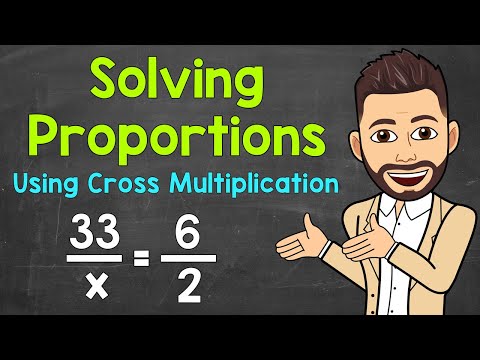
Two equal ratios, and the fastest way to find the missing piece.
 5:22
5:22
Same shape, different size, and what happens to area when you scale.
 12:44
12:44
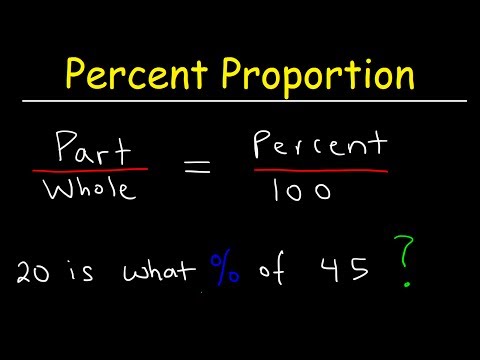
Tips, discounts, and tax without reaching for a calculator every time.
 11:23
11:23
Measuring change against where it started, not where it ended.
 22:06
22:06
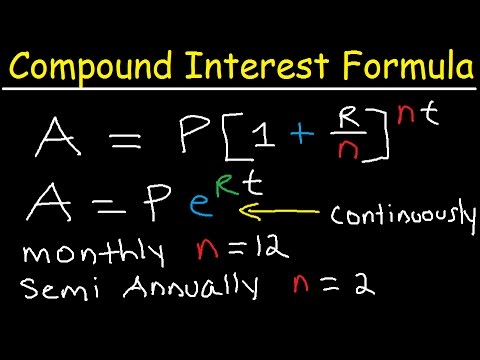
I = Prt, the formula behind loans, and how it differs from compounding.
 6:55
6:55
What a letter is doing in a maths problem, and how to read one.
 13:55
13:55
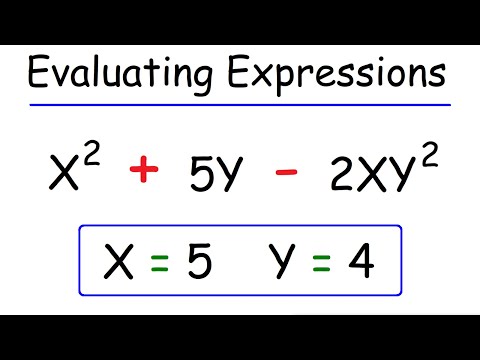
Substituting a value for a variable without losing signs along the way.
 4:32
4:32
Which terms can be added together, and which only look like they can.
 7:53
7:53
Multiplying across a sum, and the sign mistake that costs the most marks.
 4:38
4:38
Undoing a single operation, and why you must do it to both sides.
 5:12
5:12
Unwrapping in reverse order — why the constant comes off first.
 4:41
4:41
Turning a sentence into algebra — the step most word problems actually fail at.
 6:24
6:24
Solving like an equation, with one rule that has no equation equivalent.
 5:39
5:39
Axes, quadrants, and reading an ordered pair the right way round.
 2:44
2:44
Turning a rule into points, and points into a line.
 8:47
8:47
Steepness as a number, and what it means outside of maths class.
 9:53
9:53
The special linear relationship that always passes through the origin.
 7:07
7:07
Angle pairs that are equal, angle pairs that add to 180, and how to tell.
 4:28
4:28
Why every triangle's angles add to 180°, and the polygon version of the rule.
 8:25
8:25
 17:19
17:19
Two formulas that look alike and get swapped constantly.
 8:07
8:07
Filling a solid versus wrapping it, and the formulas for each.
 4:34
4:34
a² + b² = c², the single most reused formula in all of maths.
 43:51
43:51
 11:37
11:37
Four summaries of a data set, and when the average lies.
 5:25
5:25
 10:01
10:01
 9:05
9:05
Multiplying choices to count possibilities without listing them.
 5:54
5:54
Naturals, integers, rationals, irrationals — and which box a number lives in.
 24:45
24:45
Commutative, associative, distributive, identity, inverse — the rules that justify every step.
 9:43
9:43
Multiply means add, divide means subtract, power of a power means multiply.
 12:37
12:37
What a negative exponent actually means, and why it is not a negative answer.
 10:27
10:27
Writing very large and very small numbers without counting zeros.
 3:09
3:09
Pulling perfect squares out from under the root sign.
 8:58
8:58
Simplify each side first, then isolate — in that order.
 6:45
6:45
Getting every x onto one side, and what it means when they all disappear.
 5:36
5:36
Clear every denominator in one move and never work with fractions again.
 4:55
4:55
Solving a formula for one letter when everything else stays symbolic.
 13:12
13:12
Why these usually have two answers, and when they have none.
 30:44
30:44
Everything from equations carries over, except one rule.
 11:45
11:45
AND means overlap, OR means everything either one covers.
 13:12
13:12
Less than gives a sandwich, greater than gives two pieces.
 10:54
10:54
The one rule that decides whether a relation is a function.
 11:49
11:49
 12:51
12:51
 7:31
7:31
Reading intercepts, increases, maximums and meaning off a picture.
 7:06
7:06
Computing steepness from two points without a graph.
 8:59
8:59
y = mx + b, the form you can graph without any work.
 3:58
3:58
The fastest way to write a line's equation from a point and a slope.
 3:23
3:23
Ax + By = C, and the two-point shortcut for graphing it.
 9:13
9:13
Same slope, or negative reciprocal slopes.
 8:03
8:03
A boundary line plus a shaded half-plane.
 3:18
3:18
Finding a trend in messy data, and the limits of trusting it.
 8:30
8:30
The intersection point, and what parallel or identical lines mean.
 4:38
4:38
Best when one variable is already alone, or easy to isolate.
 10:20
10:20
 12:44
12:44
Two unknowns, two facts, and a reliable setup routine.
 10:56
10:56
 17:52
17:52
Combining like terms, with one sign trap when subtracting.
 6:25
6:25
Four products, and why FOIL is only a special case.
 4:06
4:06
Three patterns that save time and are essential for factoring later.
 34:45
34:45
 11:22
11:22
Finding two numbers that multiply and add correctly.
 11:03
11:03
Difference of squares and perfect square trinomials, spotted instantly.
 7:58
7:58
Vertex, axis of symmetry, direction, and how wide it opens.
 7:16
7:16
The zero product property, and why one side must be zero first.
 11:03
11:03
 14:05
14:05
Manufacturing a perfect square, and where the quadratic formula comes from.
 10:14
10:14
The method that always works, and what the discriminant predicts.
 5:58
5:58
Projectiles, areas and maximum profit — where parabolas describe reality.
 5:31
5:31
When the variable moves into the exponent, everything changes.
 7:21
7:21
Percent change per period, written as a multiplier.
 6:16
6:16
Adding the same amount each time — a linear function on the integers.
 10:45
10:45
Multiplying by the same amount each time — an exponential on the integers.
 14:26
14:26
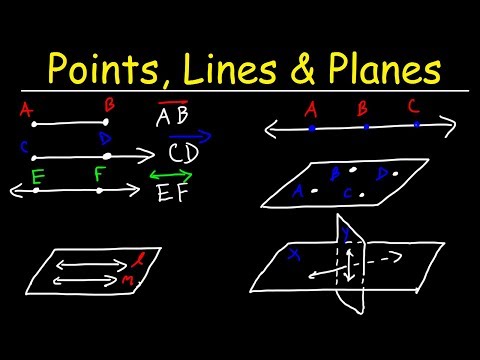
The three things geometry refuses to define, and why that is deliberate.
 15:14
15:14
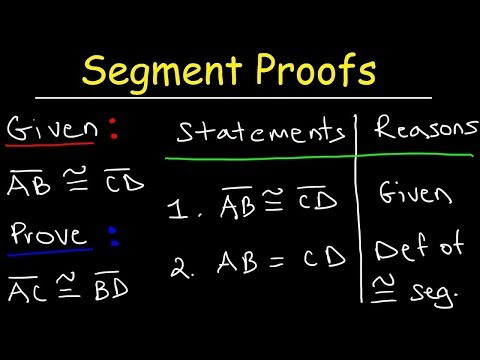
Adding lengths along a line, and finding the exact middle.
 14:24
14:24
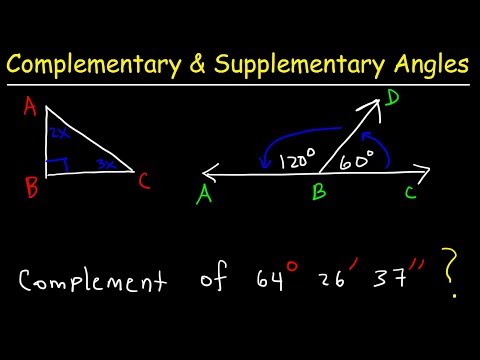
Vertical, linear, complementary and supplementary pairs, used as equations.
7:07
Eight angles, two sizes, and the converses that prove lines parallel.
 11:54
11:54
If-then statements, their converse, inverse and contrapositive.
 11:40
11:40
Statements on the left, reasons on the right, and how to get unstuck.
 12:40
12:40
 3:56
3:56
Same shape and size, defined by motion rather than by measurement.
 29:22
29:22
 15:24
15:24
The angle-based criteria, and the one reserved for right triangles.
 3:53
3:53
 9:03
9:03
Equal sides force equal angles, and the converse holds too.
 5:52
5:52
Which three lengths can actually form a triangle, and which angle is biggest.
 17:56
17:56
Four segments, four points of concurrency, and what each one does.
 3:07
3:07
Join two midpoints and you get a parallel segment, half as long.
 4:54
4:54
Equal angles, proportional sides, and what scaling does to perimeter and area.
29:22
Why two angles are enough to prove triangles similar.
 23:53
23:53
A line parallel to one side cuts the other two proportionally.
 24:50
24:50
Drop an altitude to the hypotenuse and three similar triangles appear.
 2:48
2:48
Using a² + b² = c² backwards to classify any triangle.
 11:11
11:11
45-45-90 and 30-60-90, and the shortcuts they give you.
 10:33
10:33
 9:10
9:10
Interior angles grow with the number of sides; exterior angles never do.
 20:51
20:51
 11:02
11:02
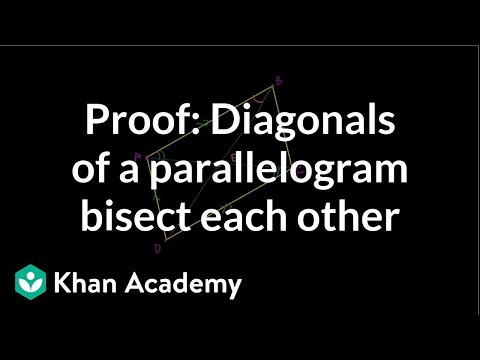
Three special parallelograms and the diagonal test for each.
 13:36
13:36
 11:08
11:08
Choosing the least work needed to classify a shape.
 32:30
32:30
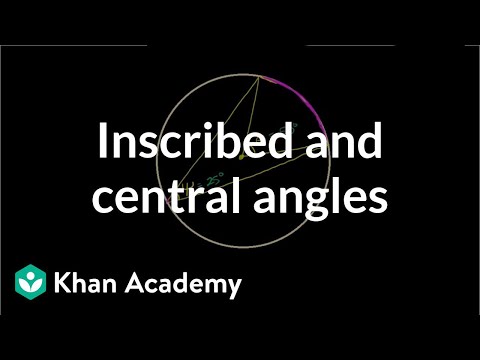
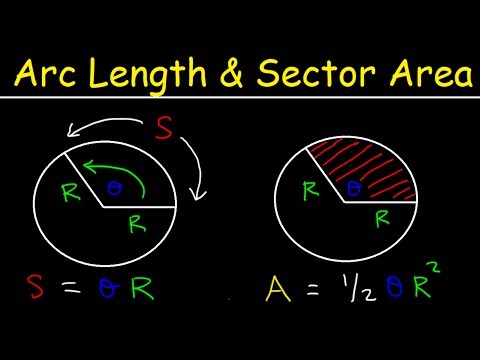
Radius, chord, secant, tangent, and the words the theorems depend on.
32:30
 14:16
32:30
14:16
32:30
Vertex inside gives half the sum; vertex outside gives half the difference.
32:30
Perpendicular bisectors through the centre, and the products that stay equal.
 15:57
15:57
 3:51
3:51
 23:34
23:34
 13:55
13:55
 3:17
3:17
 5:29
5:29
Slicing a solid, and spinning a flat shape into one.
5:22
 9:39
9:39
The Pythagorean theorem and an average, doing most of coordinate geometry.
 9:06
9:06
Proving a theorem for every case by using variables instead of numbers.
 7:22
7:22
Translations, reflections, rotations, and the symmetry they reveal.
 4:59
4:59
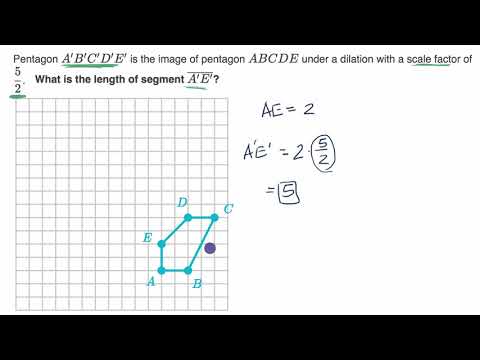
The one transformation that changes size, and what it preserves.
 14:23
14:23
 5:37
5:37
Shifts, stretches and reflections — and why horizontal ones feel backwards.
 11:58
11:58
Different rules on different intervals, and where the dots go.
 6:14
6:14
Feeding one function's output into another, and why order matters.
 14:40
14:40
 5:19
5:19
 10:15
10:15
What a negative discriminant means, and why the roots come in pairs.
 6:14
6:14
y = a(x − h)² + k, where the vertex is simply handed to you.
 2:07
2:07
 8:10
8:10
 5:21
5:21
Dividing polynomials, and the shortcut when the divisor is linear.
 6:42
6:42
Testing whether something is a factor without dividing all the way.
 12:18
12:18
A finite list of candidate roots to test, instead of guessing.
 11:12
11:12
 7:27
7:27
Factor first, cancel factors only, and record what x cannot be.
 13:14
13:14
The fraction rules again, with polynomials in the slots.
 3:03
3:03
Clear the denominators, then check for solutions that break the original.
 30:16
30:16
Vertical, horizontal and slant asymptotes, plus holes.
 5:30
5:30
 11:52
11:52
Why x^(1/2) means √x, and how that unifies two notations.
 10:55
10:55
Adding like radicals, multiplying freely, and clearing denominators.
 11:09
11:09
Isolate, square, solve — then check, because squaring lies.
 9:15
9:15
A logarithm is an exponent. That single sentence is most of the topic.
 7:05
7:05
Turning multiplication into addition, and powers into coefficients.
 4:13
4:13
Taking logs to reach an exponent, and exponentiating to escape a log.
22:06
 4:26
4:26
Reading Σ, and the formulas for arithmetic and geometric sums.
 4:45
4:45
When adding forever still gives a finite answer.
 30:10
30:10
 10:59
10:59
SOH-CAH-TOA, and finding sides or angles from one another.
 10:50
10:50
Extending trig past 90°, and the other way to measure an angle.
 18:34
18:34
 4:20
4:20
Centre-radius form, and completing the square to find it.
 6:37
6:37
Grids of numbers, and the surprisingly strict multiplication rule.
 17:40
17:40
One question decides which formula you need: does order matter?
 26:24
26:24
Updating a probability on new information, and the shape of the normal curve.
Try a shorter word, or clear the filters to see all 173 topics.