 4:00
4:00
Pre-Algebra
Intro
Place Value & Decimals
Why the same digit is worth different amounts depending on where it sits.
Pre-Algebra is where arithmetic turns into structure. Fractions, signed numbers, ratios and the first equations. Almost every student who struggles in Algebra 1 is actually still struggling with something on this list, which is why it is worth finishing properly rather than quickly.
48 topics · 7 units
The number system underneath everything else: place value, factors, signed numbers, and the order operations happen in.
4:00
Why the same digit is worth different amounts depending on where it sits.
 9:53
9:53
Two words that get mixed up constantly, and the difference in one sentence.
 11:28
11:28
Breaking any number into the prime building blocks that only it has.
 15:25
15:25
The biggest thing that divides both, and the smallest thing they both divide.
 5:20
5:20
Why 2 + 3 × 4 is 14 and not 20, and the order every calculator agrees on.
 5:39
5:39
Negative numbers on the number line, and what the bars around a number really mean.
 12:54
12:54
The sign rules, and the one reframing that makes them stop being rules.
 5:32
5:32
Why a negative times a negative is positive, not just that it is.
 3:02
3:02
Repeated multiplication, and the two exponents that look strange at first.
 5:36
5:36
Undoing a square, and why √ always hands back the positive answer.
The single biggest predictor of struggling with algebra later. Worth over-learning until it feels boring.
 3:34
3:34
Different names for the same amount, and how to find the simplest one.
 7:42
7:42
Three reliable ways to tell which fraction is bigger.
 7:23
7:23
Why you need a common denominator here but not when multiplying.
 5:06
5:06
The easiest fraction operation, and why the answer gets smaller.
 9:35
9:35
Keep, change, flip — and the reason it is not an arbitrary trick.
 4:26
4:26
Converting between the two forms, and which one to use when.
 3:32
3:32
One quantity, three costumes, and how to switch between them fast.
 4:45
4:45
Where the decimal point goes in each of the four operations.
The most directly useful maths in the whole sequence. Tips, discounts, unit prices, scale models, interest.
 14:13
14:13
 2:31
2:31
Making prices and speeds comparable by putting everything per one.
 4:12
4:12
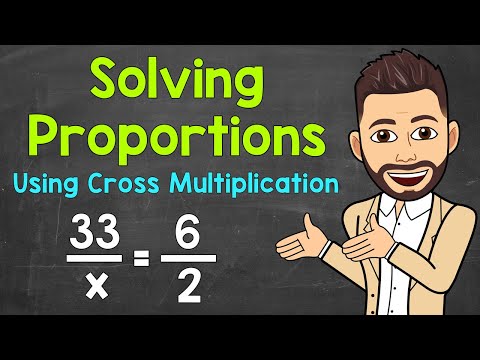
Two equal ratios, and the fastest way to find the missing piece.
 5:22
5:22
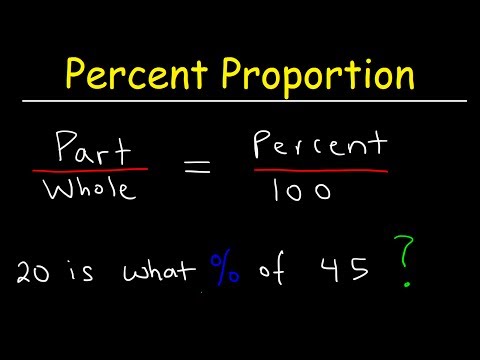
Same shape, different size, and what happens to area when you scale.
 12:44
12:44
Tips, discounts, and tax without reaching for a calculator every time.
 11:23
11:23
Measuring change against where it started, not where it ended.
 22:06
22:06
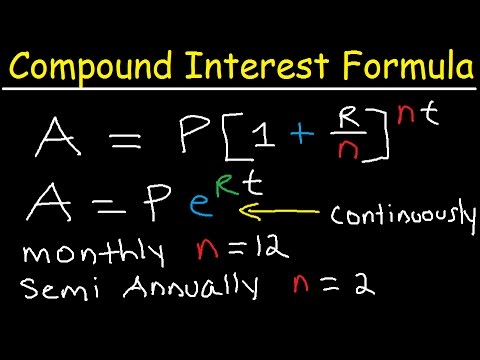
I = Prt, the formula behind loans, and how it differs from compounding.
Where letters enter. This unit is the actual bridge from arithmetic into algebra.
 6:55
6:55
What a letter is doing in a maths problem, and how to read one.
 13:55
13:55
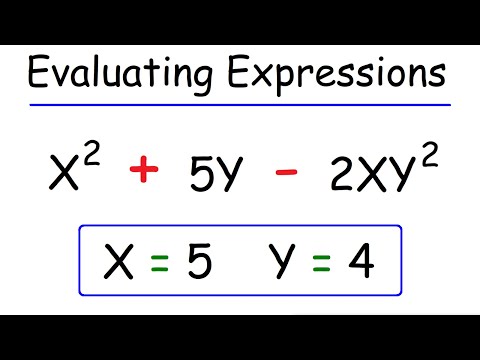
Substituting a value for a variable without losing signs along the way.
 4:32
4:32
Which terms can be added together, and which only look like they can.
 7:53
7:53
Multiplying across a sum, and the sign mistake that costs the most marks.
 4:38
4:38
Undoing a single operation, and why you must do it to both sides.
 5:12
5:12
Unwrapping in reverse order — why the constant comes off first.
 4:41
4:41
Turning a sentence into algebra — the step most word problems actually fail at.
 6:24
6:24
Solving like an equation, with one rule that has no equation equivalent.
Where numbers become pictures. Everything in Algebra 1 graphing starts here.
 5:39
5:39
Axes, quadrants, and reading an ordered pair the right way round.
 2:44
2:44
Turning a rule into points, and points into a line.
 8:47
8:47
Steepness as a number, and what it means outside of maths class.
 9:53
9:53
The special linear relationship that always passes through the origin.
The geometry that keeps appearing inside algebra problems: angles, area, and the Pythagorean theorem.
 7:07
7:07
Angle pairs that are equal, angle pairs that add to 180, and how to tell.
 4:28
4:28
Why every triangle's angles add to 180°, and the polygon version of the rule.
 8:25
8:25
 17:19
17:19
Two formulas that look alike and get swapped constantly.
 8:07
8:07
Filling a solid versus wrapping it, and the formulas for each.
 4:34
4:34
a² + b² = c², the single most reused formula in all of maths.
 43:51
43:51
Summarising a set of numbers honestly, and measuring how likely something is.
 11:37
11:37
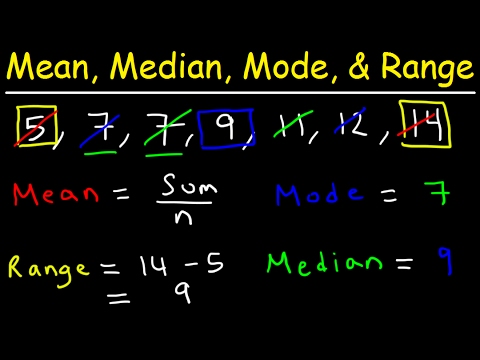
Four summaries of a data set, and when the average lies.
 5:25
5:25
 10:01
10:01
 9:05
9:05
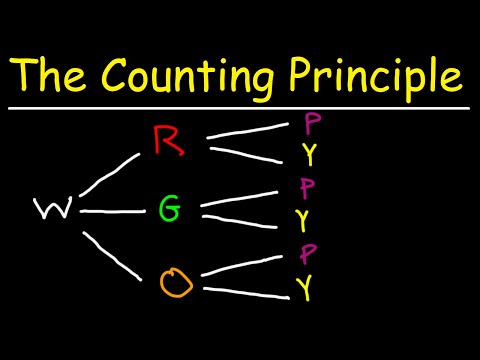
Multiplying choices to count possibilities without listing them.